
Unlocking 8Day: Innovative Strategies to Master Electronic Music Production in 2026
Understanding the 8Day Effect in Electronic Music
The term “8Day” has emerged as a vital reference in the realm of electronic music, encapsulating a fresh paradigm that influences both artists and listeners alike. This effect extends beyond mere sounds; it encapsulates a culture, an artistry that reshapes how music is created, perceived, and experienced. In this article, we delve into the nuances of the 8Day effect, exploring its implications on music production, the technology that fuels it, and how it fosters a distinct community among electronic music producers and enthusiasts.
For a comprehensive exploration of this innovative movement, 8Day serves as a central hub for resources, tools, and insights aimed at aspiring electronic musicians.
What is the 8Day Model?
The 8Day model represents an integrative approach to electronic music production, marrying technology with creativity. It emphasizes the importance of understanding both the technical aspects of music production and the emotional connection that music forges with its listeners. Grounded in contemporary practices, the model showcases various techniques for aspiring producers to harness their creativity while establishing a professional sound.
At its core, the 8Day model encourages a hands-on approach, promoting experimentation and personal expression. Producers are urged to explore various digital audio workstations (DAWs) and plugins, facilitating a seamless blend of traditional music theory with modern production techniques.
The Impact of Electronic Music on Modern Culture
Electronic music has transcended typical genres, influencing a broad spectrum of cultural performances and creative expressions. It serves as a backdrop for diverse forms of entertainment, from festivals to art installations, creating an immersive experience that resonates far beyond mere listening. This cultural significance of electronic music can be attributed to its versatility and the ability to adapt to various themes, emotions, and settings.
Moreover, the proliferation of social media has enabled electronic music artists to reach audiences across global platforms, allowing for unprecedented interactivity between creators and fans. As platforms evolve, so do the strategies that artists employ to connect with audiences, making the 8Day effect a leading force in shaping modern musical identity.
How 8Day Influences Music Production Trends
As trends continuously evolve within the electronic music scene, the 8Day effect encapsulates the innovations shaping these shifts. In particular, the rise of collaborative tools and platforms has transformed how artists approach music creation. Through online production communities, musicians can leverage collective knowledge, share insights, and engage in real-time collaborations.
Additionally, the emphasis on mastering sound design reflects the core principles of the 8Day model. Electronic music producers are encouraged to refine their unique sound by utilizing various sound synthesis techniques, exploring samples, and modulating soundscapes to create something uniquely their own.
Essential Tools and Equipment for 8Day Success
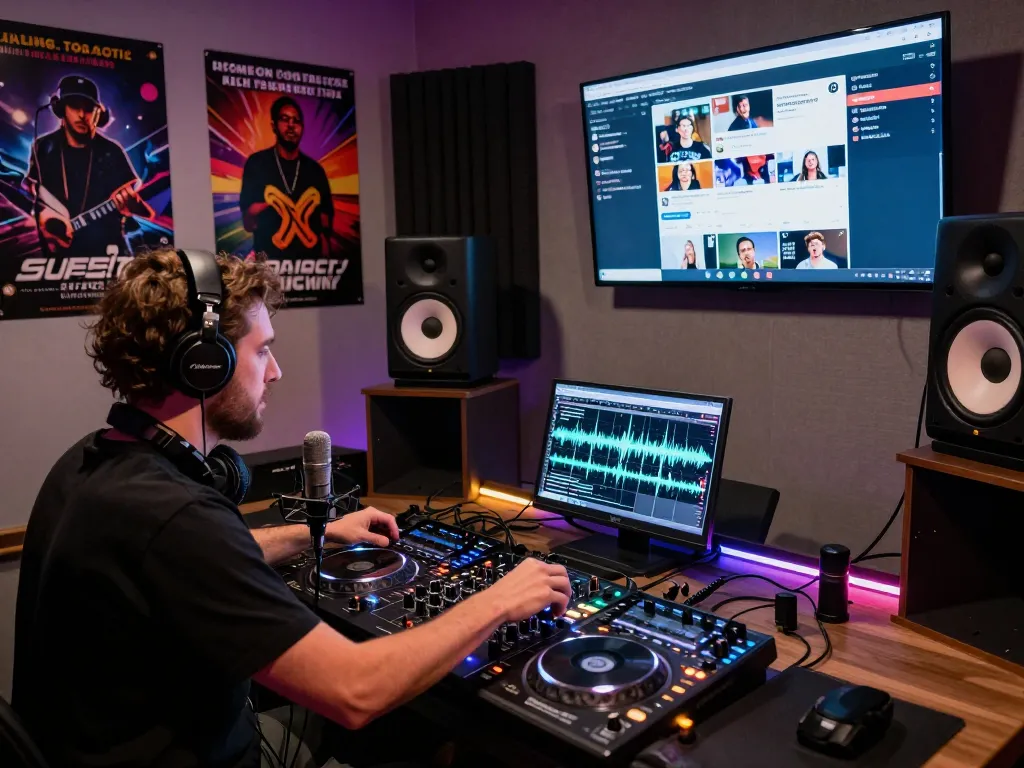
The tools and equipment essential for achieving success under the 8Day model can significantly influence the quality and uniqueness of music productions. Whether you’re just getting started or looking to upgrade your setup, understanding what equipment will best serve your artistic vision is crucial.
Must-Have Software for Electronic Music Production
When it comes to electronic music production, selecting the right software can enhance workflow and creativity. Here are some must-have tools:
- Ableton Live: Renowned for its user-friendly interface and powerful features, Ableton Live is a go-to choice for many electronic music producers.
- FL Studio: This DAW is favored for its intuitive step sequencer and robust plugin support, making it ideal for crafting intricate beats.
- Logic Pro X: Apple’s flagship DAW offers an extensive library of sounds and production features that cater to a variety of musical styles.
- Serum: A wavetable synthesizer that has gained popularity due to its versatility and high-quality sound design capabilities.
Choosing the Right Hardware for Optimal Sound
The hardware you use can significantly influence the production outcome. Here are key components to consider:
- Audio Interface: A quality audio interface is essential for clean sound capture and playback. Look for interfaces with low latency and high-quality preamps.
- Studio Monitors: Invest in good studio monitors to ensure accurate sound reproduction, critical for mixing and mastering.
- MIDI Controller: A MIDI controller allows for hands-on control of your DAW and plugins, enhancing your creative flow.
- Headphones: Quality studio headphones are indispensable for detailed listening and mixing on the go.
Innovative Accessories That Enhance Your Studio Setup
To create an optimal working environment, consider adding accessories that enhance your studio experience:
- Audio Treatment: Acoustic panels can dramatically improve sound quality by reducing unwanted reflections and echoes in your studio.
- Control Surfaces: These devices provide tactile control over your software, making mixing and production more intuitive.
- External Hard Drives: Use external storage to keep your projects organized and ensure you have ample space for samples and plugins.
Crafting Your Unique Sound on 8Day
Creating a distinctive sound is at the heart of every successful electronic music producer. The 8Day effect encourages producers to explore their musical identity, blending influences and personal experiences into their work.
Exploring Different Music Genres and Styles
The rich palette of genres available within electronic music is vast, ranging from house and techno to trap and ambient. Each genre carries its own sonic characteristics and conventions, providing fertile ground for exploration. Producers should sample elements from various styles, incorporating unique rhythms and structures to define their sound.
Techniques for Creating Catchy Melodies and Beats
Catchy melodies are crucial for engaging listeners. Here are some techniques to consider:
- Utilizing Hooks: Create memorable hooks that resonate and linger in the listener’s mind.
- Layering Sounds: Combine multiple sound layers to build rich textures within your tracks.
- Experimenting with Chord Progressions: Unique chord progressions can add emotional depth and complexity to your music.
Utilizing Sound Design for Distinctive Tracks
Sound design is a pivotal aspect of electronic music. Here’s how to utilize it effectively:
- Synthesis: Experiment with different synthesis methods (subtract, additive, FM) to create novel sounds.
- Sampling: Incorporate samples to enrich your tracks with real-world sounds and textures.
- Effects Processing: Use effects like reverb and delay to create atmospheres that complement your music.
Marketing and Promoting Your Music under the 8Day Brand
Efficient marketing is essential for gaining visibility and success in the competitive electronic music landscape. The principles of the 8Day effect extend to how artists present and promote their work.
Building Your Brand Identity as an Artist
Your brand identity should reflect your unique sound and artistic vision. Begin by defining your musical persona: what do you want to convey through your music? Visual elements, such as logos and color schemes, should also resonate with your unique sound, providing a cohesive representation across all platforms.
Leveraging Social Media for Music Promotion
Social media plays a critical role in promoting your music:
- Content Creation: Regularly share behind-the-scenes content, track previews, and personal stories to engage your audience.
- Collaborations: Work with other artists to tap into their fan bases and expand your reach.
- Engagement: Actively interact with fans through comments and livestreams to build community and loyalty.
Networking Strategies for Electronic Music Artists
Effective networking can open doors to collaborations, gigs, and promotions:
- Attend Industry Events: Participate in festivals, workshops, and conventions to meet fellow artists and industry professionals.
- Join Online Communities: Engage with online forums and groups that focus on electronic music production to share knowledge and resources.
- Develop Relationships: Foster meaningful relationships with fellow artists, promoters, and venues to create a supportive network.
The Future of Electronic Music: Insights for 2026 and Beyond
As we look ahead, the electronic music landscape continues to rapidly evolve, shaped by technological advancements and cultural shifts. Staying ahead of these trends is crucial for producers looking to thrive in the industry.
Emerging Trends in Electronic Music Production
Producers should keep an eye on emerging trends that will influence the soundscape of the future:
- AI and Machine Learning: These technologies are beginning to influence music composition and production, offering new creative tools.
- Immersive Audio Formats: Technologies like spatial audio and augmented reality will create more immersive musical experiences.
- Sustainability: The demand for eco-friendly practices in music production is rising, leading many artists to explore green alternatives.
Technological Innovations Shaping the Industry
The integration of technology in music production opens new avenues for innovation:
- Cloud Collaboration: Cloud-based DAWs and platforms enable seamless collaboration among artists from different locations.
- Virtual Reality Concerts: As VR technology matures, virtual concerts will provide unique performance experiences that transcend traditional formats.
- Enhanced Streaming Services: Streaming platforms are continually evolving, offering new ways for artists to monetize and promote their music.
Preparing for the Future of Live Performances
Live performances in the electronic music realm are set to change dramatically:
- Hybrid Events: Combining live shows with virtual streams will allow artists to reach wider audiences.
- Interactive Experiences: Engaging audiences through interactive elements, such as live voting on setlists, may redefine performance dynamics.
- Health and Safety Innovations: Post-pandemic considerations will continue to impact how live events are structured, focusing on fan safety and comfort.
How can I start producing music with 8Day?
Begin your journey by exploring the essential tools and techniques of the 8Day model. Invest in a quality DAW and familiarize yourself with basic production principles to craft your unique sound.
What are the best platforms for promoting music created with 8Day?
Platforms such as SoundCloud, YouTube, and Spotify are invaluable for distributing and promoting your music. Leveraging social media channels like Instagram and TikTok can further enhance your reach.
Which artists are leading the 8Day movement?
Stay informed about artists who embody the 8Day ethos, as they often push boundaries and inspire fresh approaches within the electronic music genre.
How do I build a community around my 8Day music?
Foster a community by engaging with your audience, participating in online forums, and collaborating with other artists. Listening to feedback and being responsive enhances community ties.
What resources are available for learning about 8Day music production?
Numerous online courses, tutorials, and webinars are available, offering insights into music production techniques that align with the 8Day model. For more information, 8 Day offers valuable insights. Engage with these resources to sharpen your skills and knowledge.