
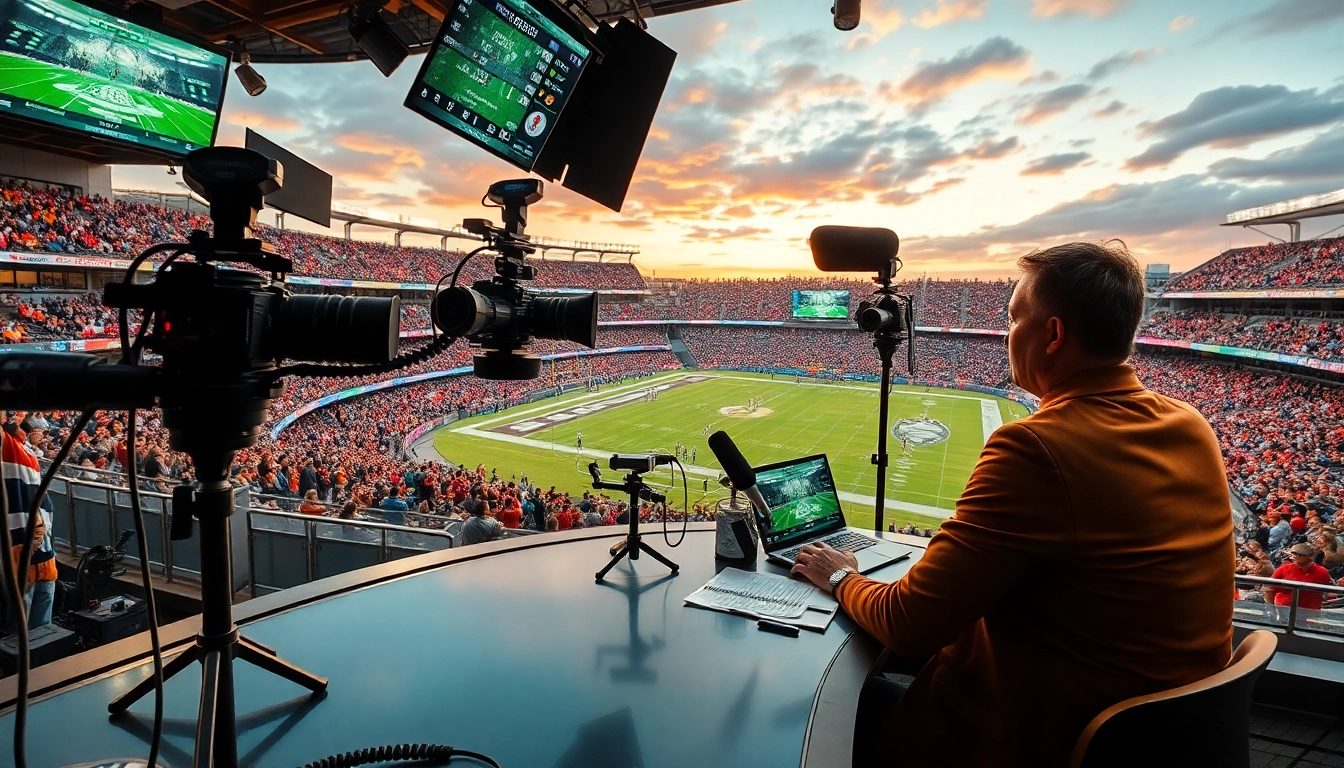
Enhancing Your Skills in Sports Broadcasting: Key Strategies and Insights
Understanding the Basics of Sports Broadcasting
What is Sports Broadcasting?
Sports broadcasting encompasses the delivery of live sports events on various platforms, including television, radio, and digital media. It provides fans with a chance to experience games and competitions from the comfort of their homes or on-the-go. The rise of Sports Broadcasting has revolutionized how audiences engage with sporting events, enabling real-time updates, commentary, and analysis.
History and Evolution of Sports Broadcasting
The origins of sports broadcasting trace back to the early 20th century with radio broadcasts of baseball games. As technology advanced, television became the dominant medium, with landmark events like the 1939 New York World’s Fair showcasing live sports on screen. Over decades, technological innovations expanded the landscape to include satellite broadcasts, cable television, and now, streaming services. Each evolution has made sports more accessible, giving rise to a global audience that can enjoy diverse sports activities across various platforms.
Key Roles in Sports Broadcasting
Within the realm of sports broadcasting, several key roles drive the process, each contributing to the quality and engagement of the broadcasts. These roles include:
- Sports Broadcaster/Commentator: The voice of the event, responsible for live commentary and play-by-play analysis.
- Producer: Manages the logistics of the broadcast, coordinates team efforts, and oversees the content presentation.
- Camera Operators: Capture the action through various camera angles and movements, critical for audience engagement.
- Editors: Work post-game to create highlights and recap segments, enhancing viewer understanding.
- Research Analysts: Provide vital statistics and context to enhance commentary quality.
Essential Skills for Sports Broadcasting Professionals
Communication and Storytelling Skills
Effective communication is vital in sports broadcasting. Broadcasters must convey information succinctly while engaging the audience. Storytelling enhances the coverage of games, transforming raw data into compelling narratives that resonate with viewers. A strong broadcaster crafts stories that capture the excitement of the event, recounting thrilling moments while also providing context around teams and players. Moreover, understanding audience demographics allows broadcasters to tailor their communication styles accordingly.
Technical Knowledge and Equipment Handling
Proficiency in using broadcasting equipment is essential for any professional in the field. Knowledge of cameras, microphones, and broadcasting software can significantly enhance the quality of the production. Modern sports broadcasting relies on sophisticated technology such as high-definition video cameras, drones for aerial shots, and real-time data analytics tools. Familiarity with this equipment enables broadcasters to deliver a smoother, more visually appealing experience for viewers.
Research and Analysis Techniques
Thorough research is integral to sports broadcasting. Understanding team history, player statistics, and game dynamics improves the quality of commentary and segments. Analysts must stay updated with the latest trends in sports, analyzing performance metrics and developing insights that can enrich viewer engagement. Techniques such as data visualization can help in simplifying complex statistics into engaging, digestible information for the average viewer.
Creating Compelling Sports Broadcasts
Planning and Scriptwriting for Sports Shows
Effective planning is foundational in creating compelling sports broadcasts. A well-structured script delineates the flow of the broadcast, ensuring coverage of significant elements without losing the audience’s interest. Scripts should remain flexible to adapt to the dynamic nature of live sports while offering a coherent framework. Including segments dedicated to expert opinions, fan interactions, and post-game analysis fosters a more in-depth experience.
Engaging Viewers Through Visual Media
Visual media plays a critical role in sports broadcasting. Utilizing graphics, replays, and on-screen statistics can heighten engagement and provide clarity for viewers. Innovations such as augmented reality can offer real-time analysis during broadcasts, allowing viewers to see insights layered over live footage. Engaging visuals not only retain viewer attention but also help convey complex information more effectively.
Effective Use of Social Media in Broadcasting
Social media is reshaping how sports broadcasting connects with audiences. Platforms like Twitter, Instagram, and Facebook provide broadcasters with avenues to interact with fans in real-time. They can share instant updates, behind-the-scenes content, and promote discussions around games, enhancing viewer engagement. Engaging with viewers through polls, Q&As, and live chats can create a participatory atmosphere that enriches the broadcast experience.
Technological Advancements in Sports Broadcasting
Impact of Streaming Services on Sports Broadcasting
The emergence of streaming services has transformed the landscape of sports broadcasting. With platforms offering live events, on-demand features, and exclusive content, traditional cable subscriptions are giving way to online access. This shift increases the accessibility of sports content, enabling fans to watch their favorite teams anytime, anywhere. Additionally, streaming services often allow for more interactive features, enhancing the viewer experience further.
Innovations in Broadcast Equipment
Recent innovations in broadcast equipment have dramatically improved production quality. High-definition and 4K cameras capture stunning visuals, while advanced sound equipment delivers immersive audio experiences. Drones provide unique aerial perspectives, adding depth to broadcasts that were previously unattainable. Moreover, software advances allow for real-time statistics to be integrated seamlessly into live broadcasts, enriching the storytelling aspect.
Future Trends in Sports Broadcasting
As technology continues to evolve, the future of sports broadcasting is bright. We can expect increased integration of artificial intelligence in game analysis and viewer engagement. Virtual and augmented reality may soon allow fans to experience games as if they were on the field. Increased personalization in content delivery, catering to individual preferences and viewing habits will also enhance viewer allegiance, creating a bond associated with their favorite sports.
Measuring Success in Sports Broadcasting
Evaluating Audience Engagement and Ratings
Success in sports broadcasting is largely evaluated through audience engagement metrics and ratings. Analyzing viewership statistics, engagement on social media, and feedback from fans paint a comprehensive picture of broadcast performance. High ratings indicate broad interest, while viewer feedback can highlight areas for improvement, enabling broadcasters to refine their strategies and content offerings.
Feedback and Continuous Improvement
Feedback is critical in shaping future broadcasts. Collecting viewer insights, conducting surveys, and monitoring social media comments provide valuable data. Broadcasters can implement changes to improve content quality, presentation style, and even the technical execution of broadcasts. Continuous improvement not only enhances viewer experiences but also bolsters loyalty, as fans appreciate when their feedback contributes to enriching their viewing experiences.
Case Studies of Successful Broadcasts
Analyzing successful broadcasts provides learning opportunities for sports broadcasting professionals. Case studies may include innovative approaches to coverage, effective use of technology, or unique storytelling methods that have resonated with audiences. These examples can serve as benchmarks for aspiring broadcasters seeking to elevate their practices and refine their craft, showing them what strategies lead to greater engagement and viewership.
Frequently Asked Questions (FAQs)
1. What are the primary platforms for sports broadcasting?
The primary platforms include television, radio, and digital streaming services, each offering unique viewing experiences.
2. How has technology changed sports broadcasting?
Technology has improved broadcast quality, allowed for interactive features, and expanded viewership through streaming services.
3. What skills are essential for sports broadcasters?
Essential skills include strong communication abilities, technical knowledge of equipment, and research proficiency to analyze sports data effectively.
4. Why is viewer engagement important in sports broadcasting?
Viewer engagement drives ratings and audience loyalty, crucial for the financial success of broadcasting networks.
5. What role does social media play in sports broadcasting?
Social media facilitates real-time interaction with fans, providing updates, engaging content, and enhancing broadcast discussions.